How Outdoor Air Coolers Impact Food Safety in Dubai Restaurants
Dubai’s climate is characterized not only by scorching heat, but also by constant temperature fluctuations, which make food storage issues of paramount importance. With high thermometer readings, bacteria multiply faster, decomposition processes accelerate, and the risk of food spoilage increases many times. That is why indoor air quality control (IAQ) is becoming not just recommended, but vital. In the kitchens and halls of restaurants, where hundreds of visitors are cooked and served daily, special attention is paid to the levels of particulate matter (PM2.5 and PM10), carbon monoxide (co) concentrations, as well as volatile organic compounds (VOCs). Ignoring these norms threatens not only outbreaks of food poisoning, but also an increase in the number of diseases of the respiratory and cardiovascular systems, which makes the problem complex and socially significant.
Food Risks And Temperature Control
Food safety directly depends on strict adherence to temperature conditions. Bacteria are most active in the “danger zone” between 5°C and 60°C. Therefore, food storage at ≤ 4°C in refrigerators and ≤ -18°C in freezers is becoming a mandatory standard. Cooked dishes must be kept at temperatures above 60 °C, otherwise the risk of contamination increases dramatically. Products should not be left at room temperature for more than two hours, especially in summer, when the heat increases the rotting process.
Indoor Air Quality And Air Pollution

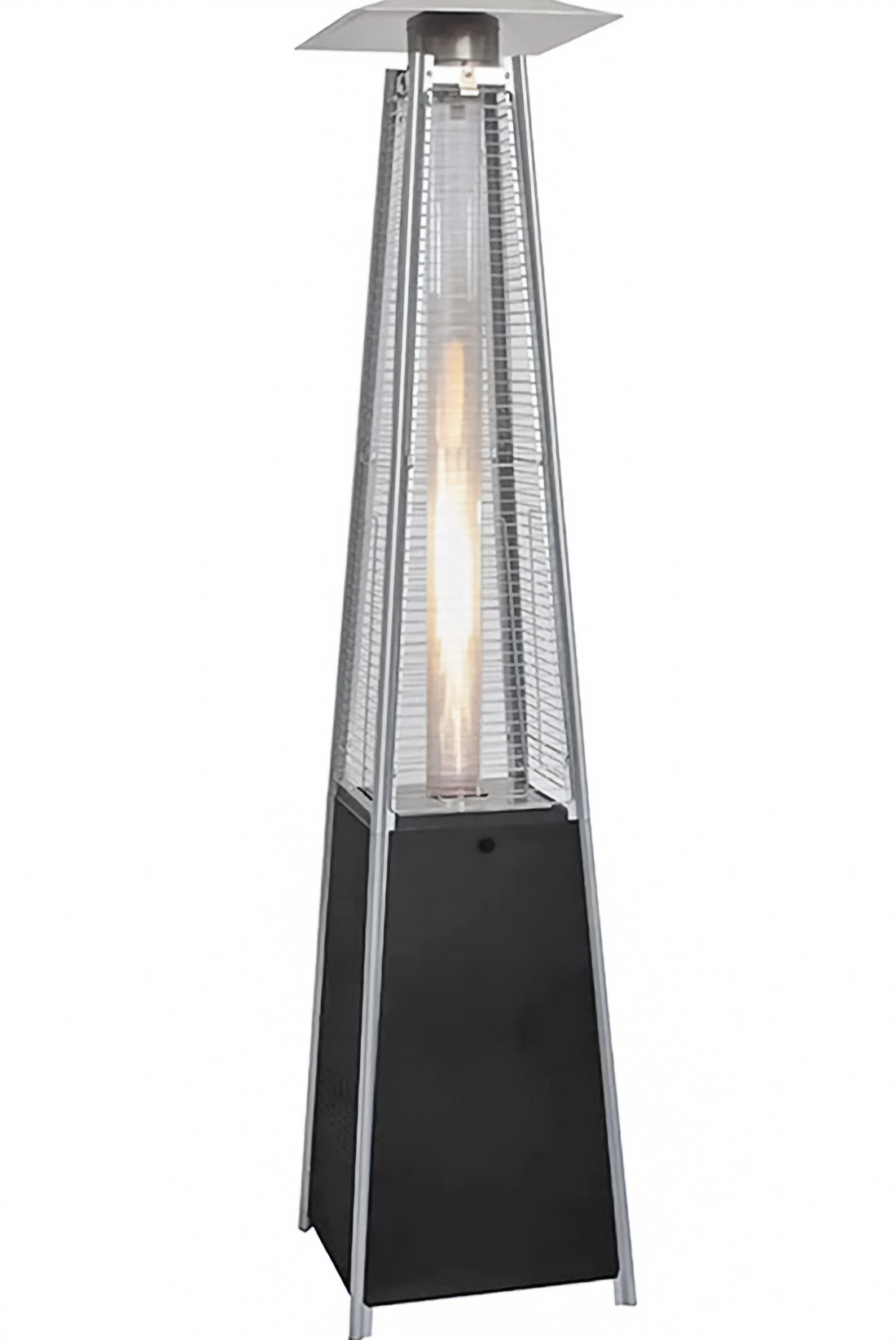
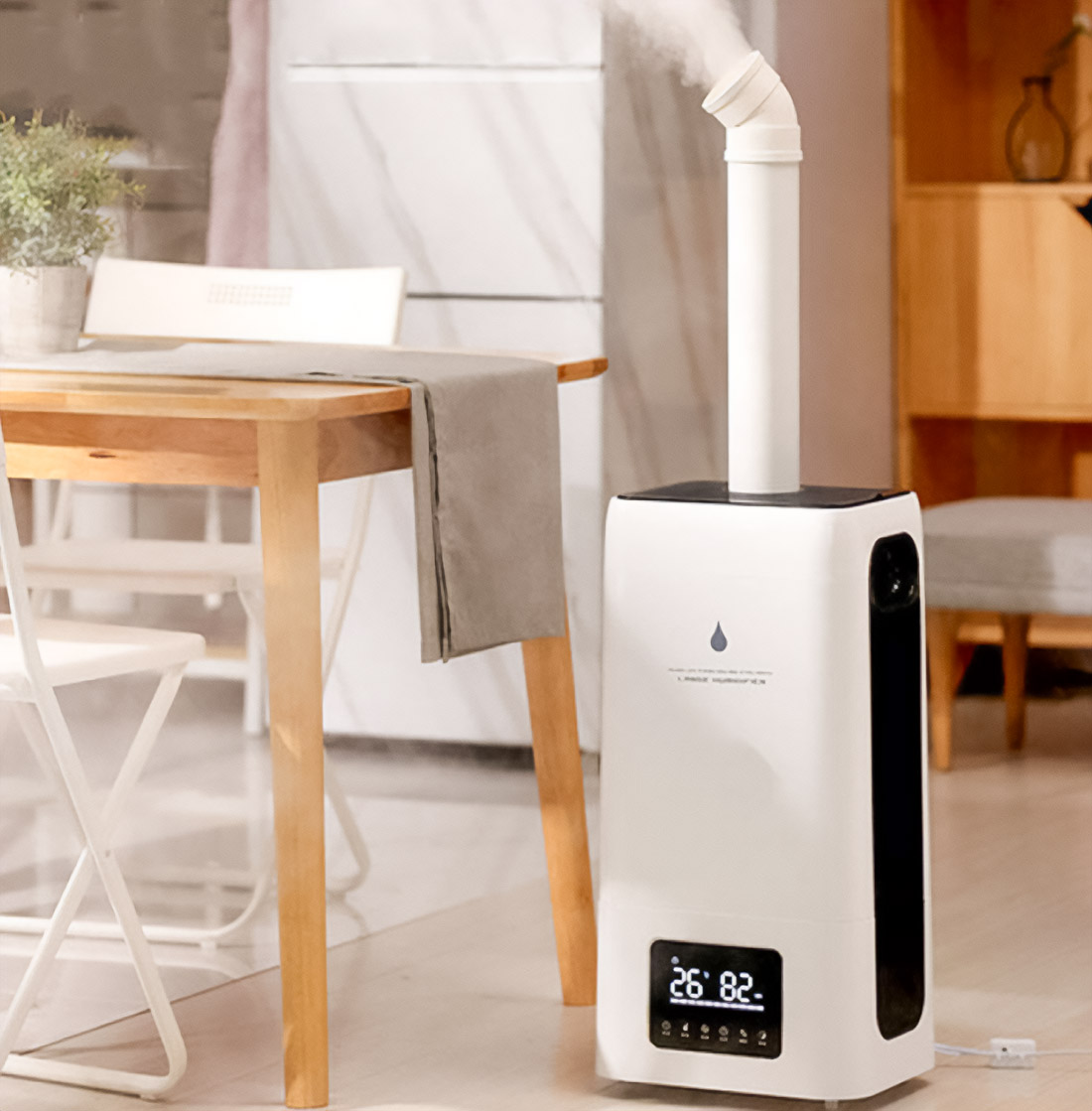
Research on restaurants in Dubai captures disturbing data. During peak hours, the levels of PM2.5 and PM10 in the hot kitchen rise by more than 150% relative to the Dubai Green Building Regulations. Humidity increases due to cooking, frying and stewing processes, and insufficient operation of HVAC systems leads to the accumulation of VOCs and CO. WHO indicates that the annual averages should remain within 5 µg/m3 for PM2.5 and 15 µg/m3 for PM10, but in reality, exceedances occur regularly. In some cases, additional cooling devices such as air cooler dubai units are placed in semi-open or outdoor dining spaces to reduce temperature stress, though their impact on food safety itself remains indirect.
Impact On Employees And Guests

Staff surveys show alarming trends. 62.5% of employees complain about poor lighting, 31.3% about poor air circulation. Symptoms include eye and nose irritation (43.8%), difficulty breathing (37.5%). At the same time, 90% of the guests say they are satisfied with the atmosphere. The difference is understandable: customers spend hours in the restaurant, while staff are exposed to polluted air every day and throughout their working hours.
Cooling Technologies And The Cold Chain

Cooling systems and cold chains play a crucial role in extending the shelf life of products. According to research, 46% of the food produced requires refrigeration, but in fact only 21% is stored under the right conditions. In developing countries, up to 54% of products that need to be refrigerated are lost without ever reaching consumers. These are huge losses that can be reduced with the help of modern technologies: energy-efficient refrigeration units, regular maintenance and temperature monitoring.
Regulations And Standards
Dubai Municipality applies strict HACCP standards and IAQ technical guidelines. Regular AQI inspections, monitoring of PM2.5, PM10, CO, mandatory functioning of filters and ventilation are the basic conditions for restaurants. In 2015, there were 60 cases of food poisoning per 100,000 inhabitants, which is lower than the international indicator of 70. But maintaining positive statistics is possible only with strict control of all parameters, from storage temperature to humidity level.
Social And Climatic Aspects
When almost the entire life of citizens takes place in confined spaces and in Dubai this figure reaches 80-95% the issue of air quality becomes a priority. It is not surprising that the number of asthma cases among adults and children is growing: internal pollutants act daily and unnoticeably. The situation is aggravated by the climatic factor: an increase in temperature overloads cooling systems, increases VOC emissions and forces us to look for new solutions for IAQ control.

Fixie owner, dreamer, audiophile, hand letterer and fullstack designer. Performing at the junction of simplicity and elegance to develop visual solutions that inform and persuade. Concept is the foundation of everything else.